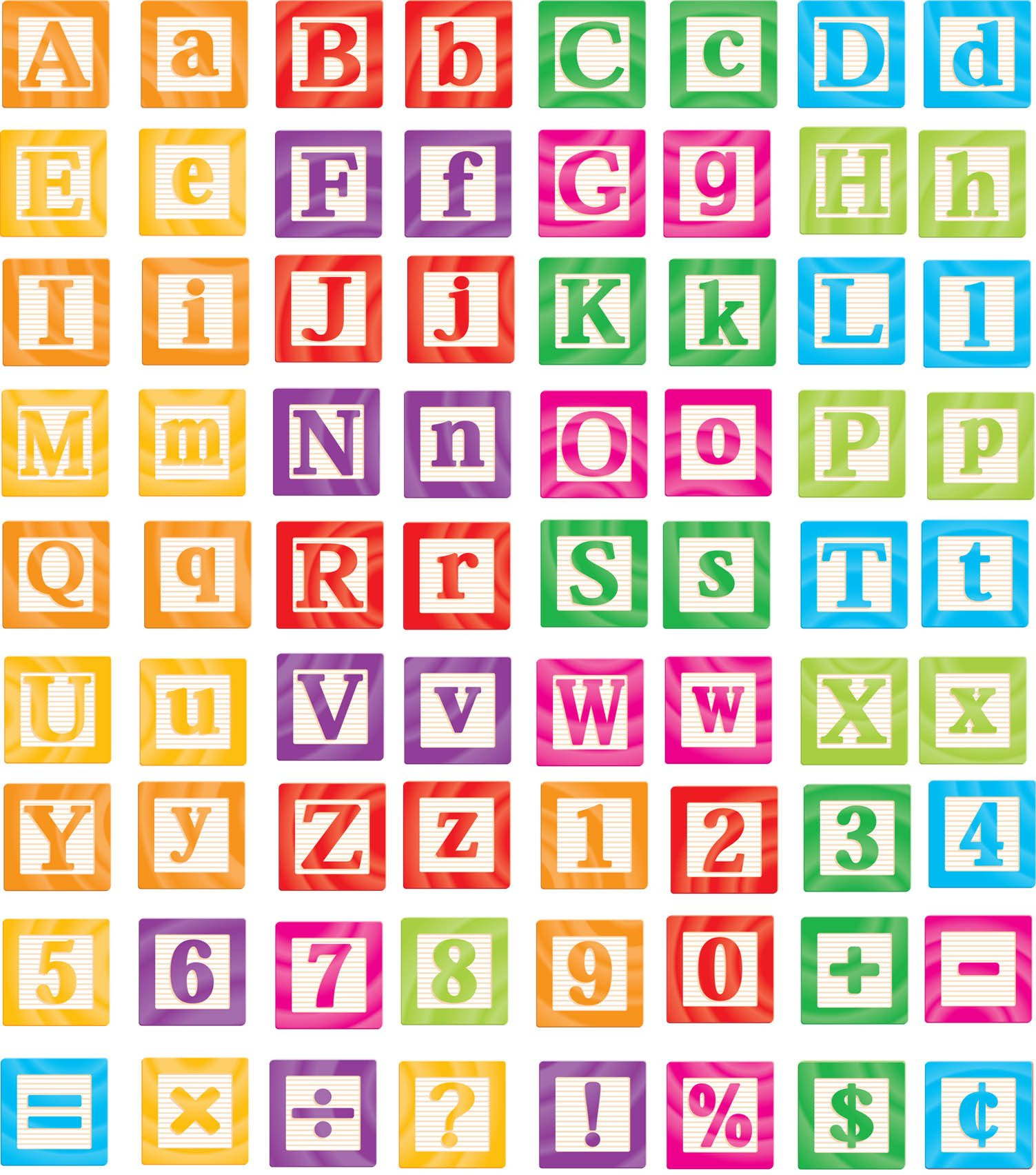
Building Foundations with Alphabet Blocks
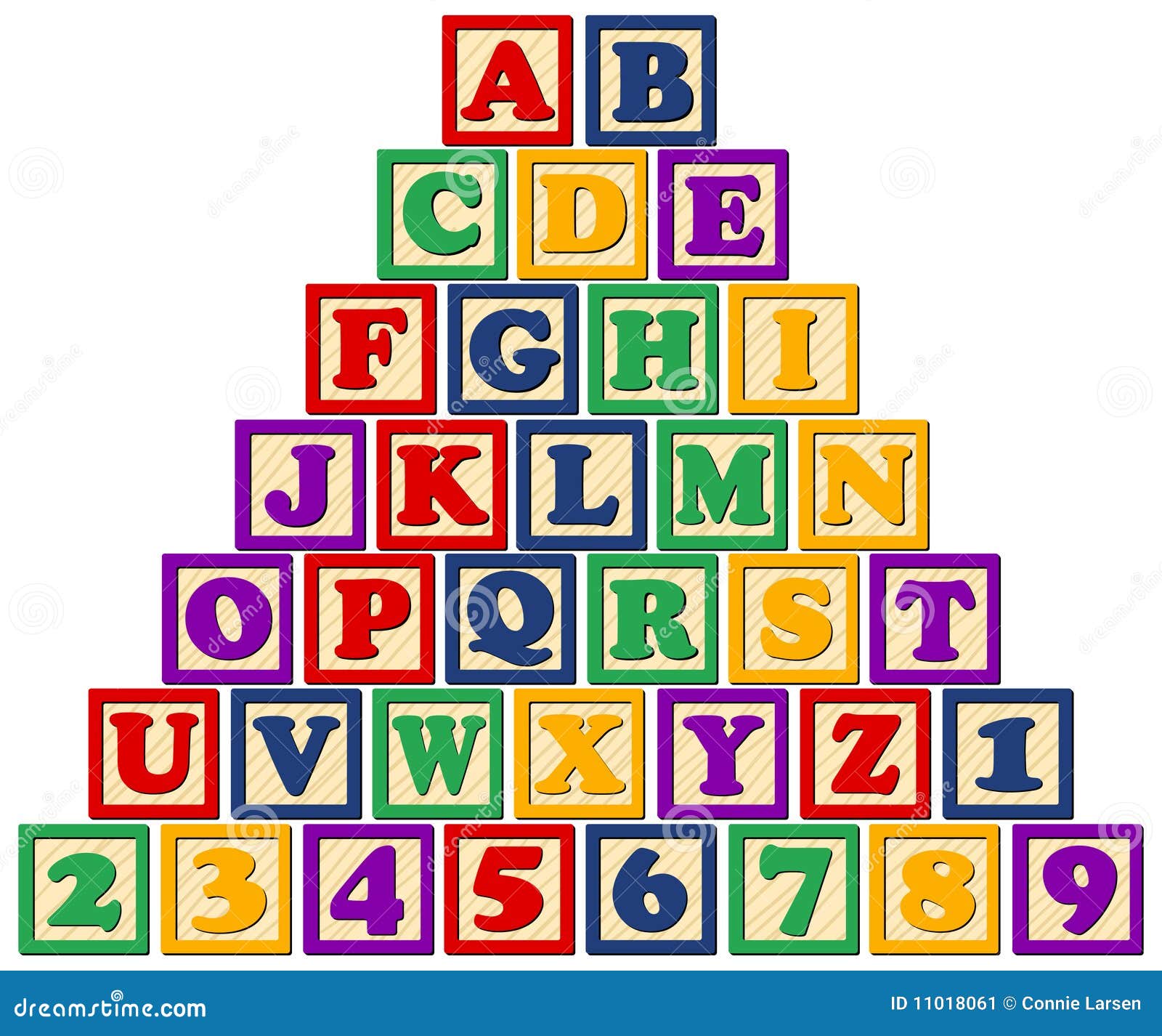
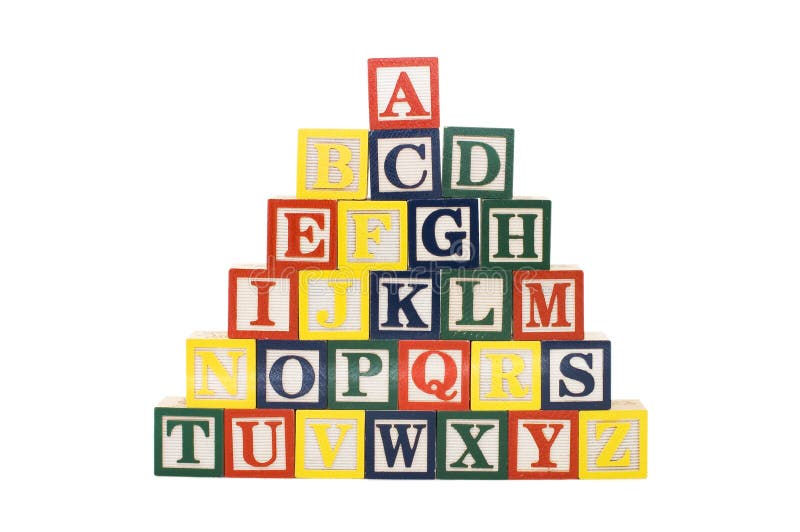
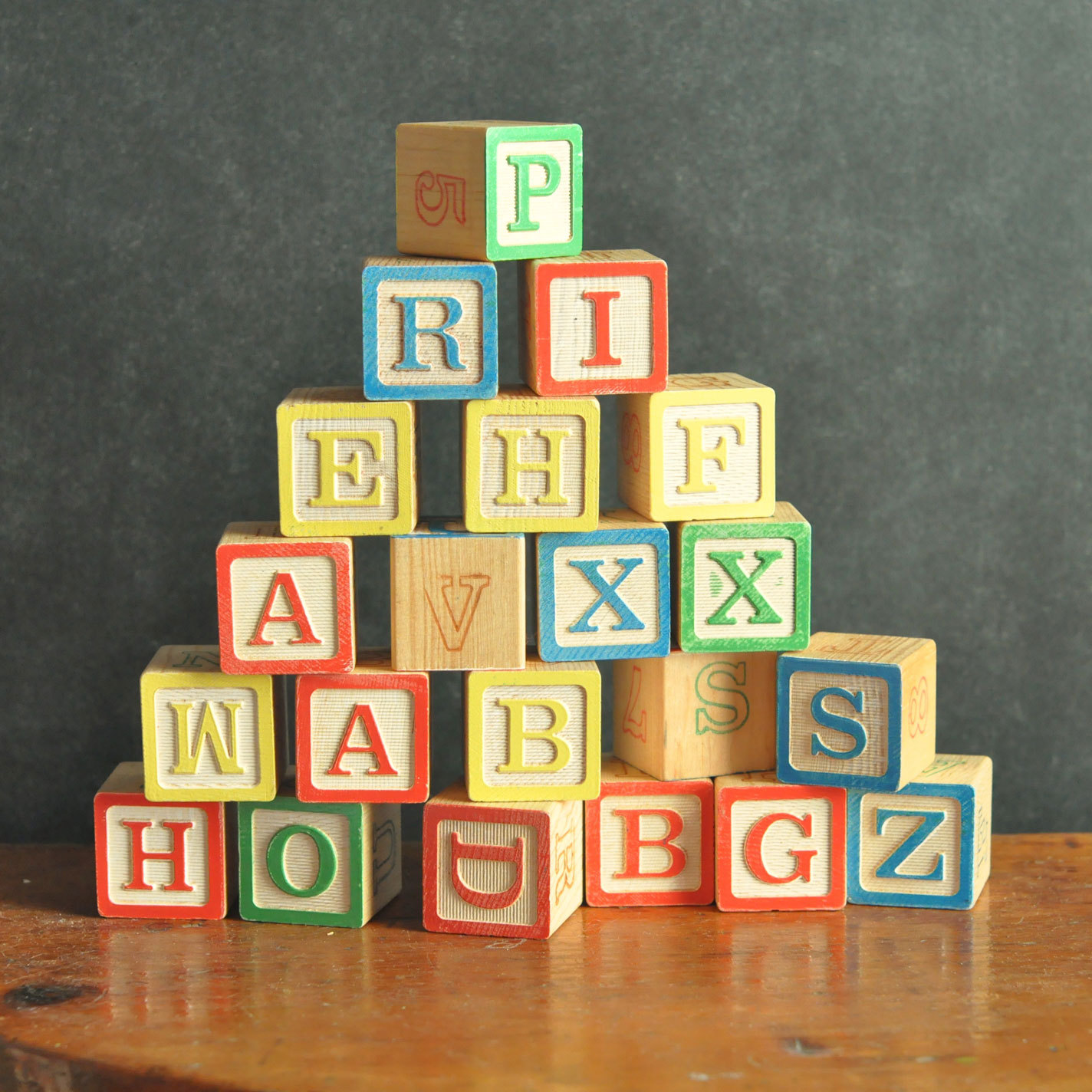
Introduction to Alphabet Blocks
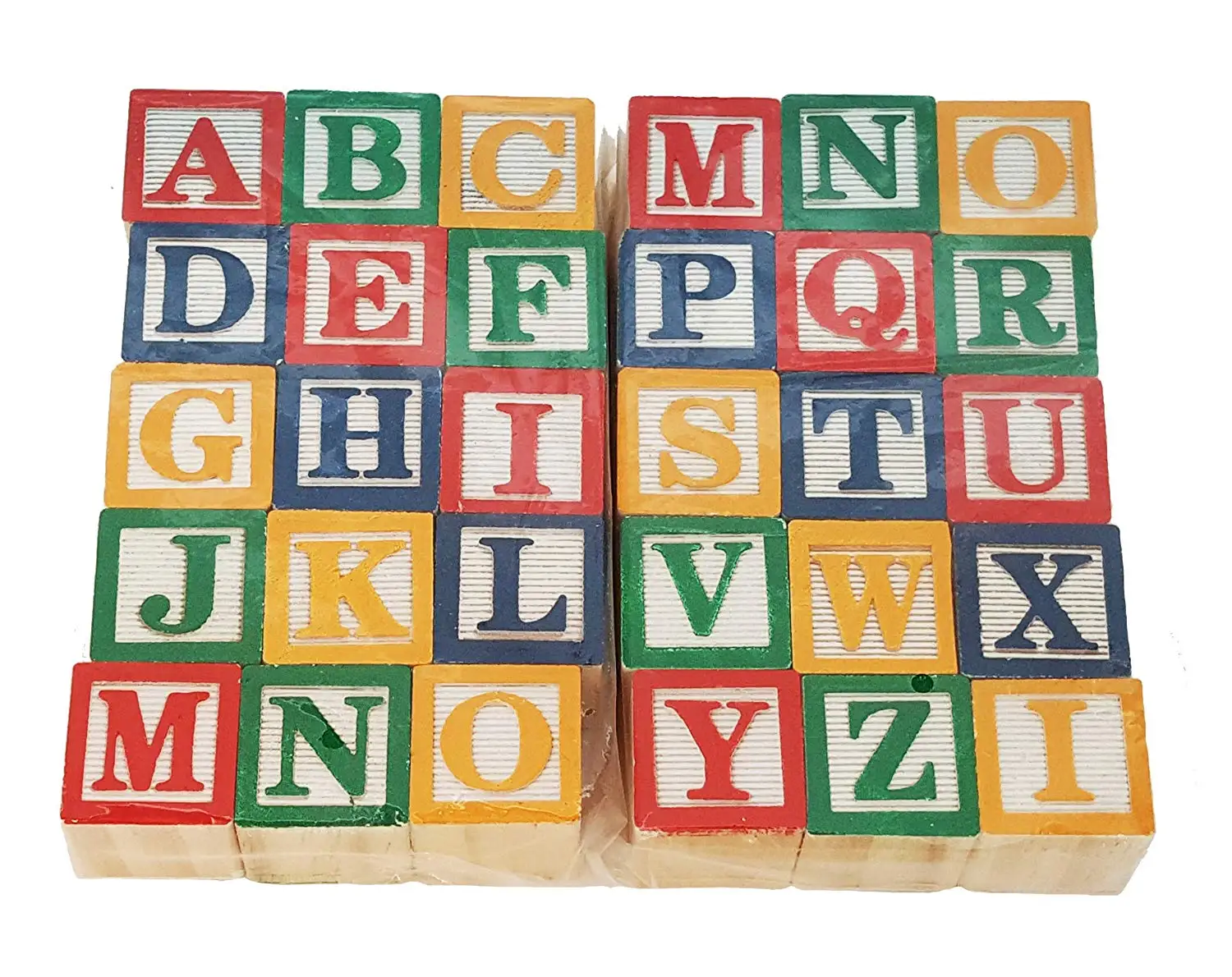
Alphabet blocks have been a staple in early childhood education for decades, and for good reason. These colorful blocks with letters on them are not just fun to play with, but they also provide a solid foundation for learning the alphabet, spelling, and reading. In this article, we'll explore the world of alphabet blocks and how they can benefit your child's educational journey.
One of the primary benefits of alphabet blocks is that they make learning the alphabet a hands-on and interactive experience. Children can touch, feel, and manipulate the blocks, which helps to reinforce their understanding of the letters and their sounds. Additionally, alphabet blocks can be used to teach children about word families, rhyming, and basic spelling patterns.
Benefits of Using Alphabet Blocks
Alphabet blocks come in a variety of shapes, sizes, and materials, making them accessible to children of all ages and abilities. From wooden blocks to foam blocks, and from simple to complex designs, there's an alphabet block set out there to suit every child's needs. Whether you're a parent, teacher, or caregiver, incorporating alphabet blocks into your child's playtime can have a significant impact on their language and literacy skills.
The benefits of using alphabet blocks are numerous. Not only do they provide a fun and engaging way to learn the alphabet, but they also help to develop critical thinking skills, problem-solving skills, and hand-eye coordination. Furthermore, alphabet blocks can be used to teach children about patterns, sequencing, and storytelling, making them a versatile and valuable tool in any early childhood education setting.