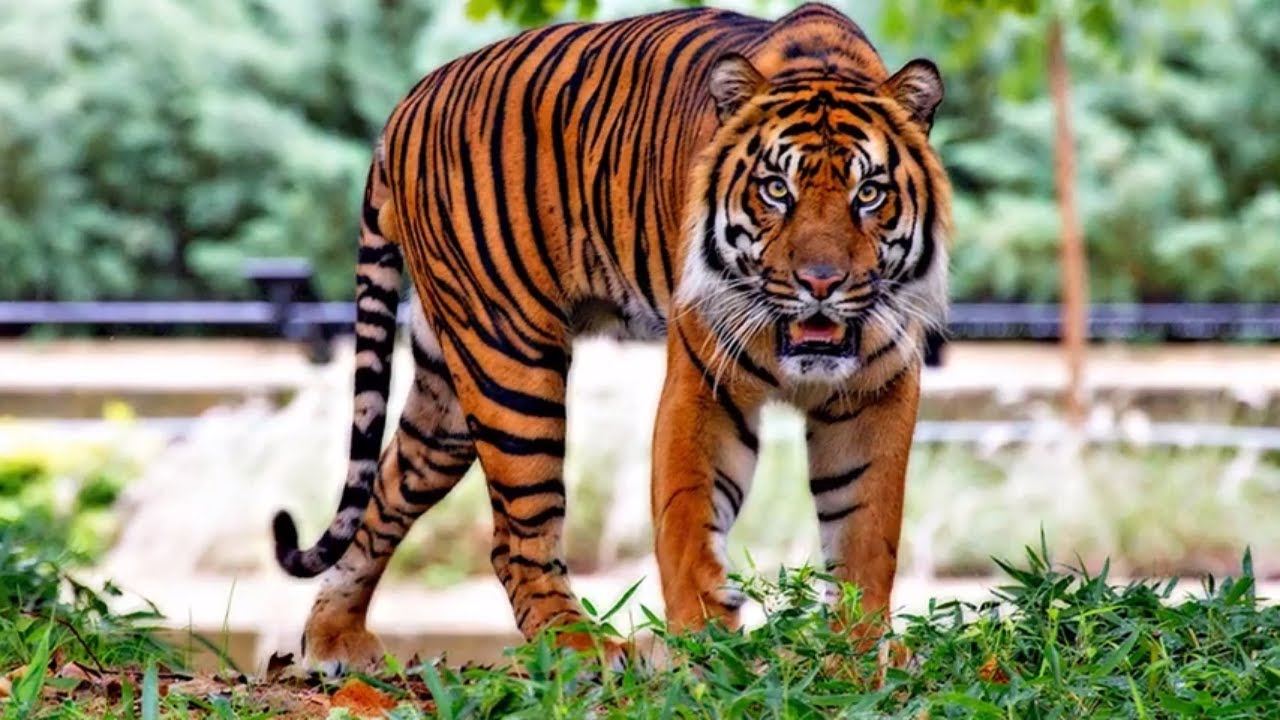
The Amazing World of Animal Colors


Colors for Survival
Animal colors are a fascinating aspect of the natural world. From the brightest birds to the most colorful fish, animals have evolved to display a stunning array of colors. But animal colors are not just for show - they play a crucial role in helping animals survive and thrive in their environments. Whether it's to blend in with their surroundings, attract a mate, or warn off predators, animal colors are an essential part of an animal's survival strategy.
One of the most interesting things about animal colors is the way they are used for survival. Many animals have evolved to change color to blend in with their surroundings, a process known as camouflage. This helps them to avoid predators and sneak up on prey. For example, the chameleon is famous for its ability to change color to match its environment, while the Arctic fox turns white in the winter to blend in with the snow.
Colors for Communication
In addition to camouflage, animal colors can also be used to warn off predators or attract prey. Many animals have bright colors or patterns that serve as a warning to potential predators that they are toxic or distasteful. For example, the bright colors of the poison dart frog warn potential predators that it is toxic, while the stripes of the skunk warn predators to stay away.
Animal colors can also play a crucial role in communication. Many animals use color to signal aggression, courtship, or other social behaviors. For example, the bright plumage of the peacock is used to attract a mate, while the colorful displays of the male bird of paradise are used to establish dominance. By studying animal colors, we can gain a deeper understanding of the complex social behaviors of animals and the important role that color plays in their lives.