
Composting Do's and Don'ts: A Beginner's Guide



Getting Started with Composting
Composting is a great way to reduce your environmental impact and create a natural fertilizer for your garden. By following some simple do's and don'ts, you can create a thriving compost pile that will help your plants grow strong and healthy. One of the most important things to remember when composting is to include a mix of 'green' and 'brown' materials. Green materials, such as food scraps and grass clippings, are high in nitrogen and help to speed up the composting process. Brown materials, such as leaves and twigs, are high in carbon and help to balance out the green materials.
To get started with composting, you'll need to choose a location for your compost pile. This should be a well-ventilated area that is easily accessible. You'll also need to decide what type of composting method you want to use. Some popular options include outdoor composting bins, indoor composting containers, and vermicomposting (composting with worms). Once you've set up your composting system, you can start adding materials to your pile. Remember to include a mix of green and brown materials, and to avoid adding any materials that are high in fat or oil.
Common Mistakes to Avoid
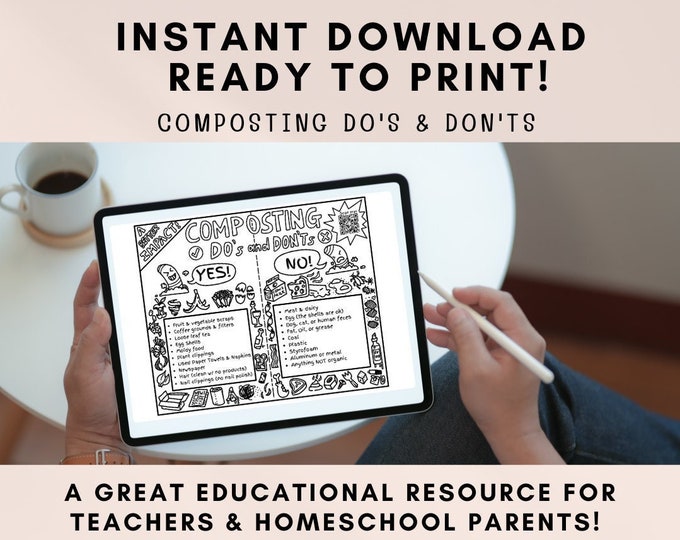
As you start composting, it's essential to monitor your pile's temperature and moisture levels. The ideal temperature for composting is between 130°F and 140°F, and the pile should be kept moist, like a damp sponge. You can also add bulking agents, such as straw or shredded newspaper, to help with airflow and absorb excess moisture. To make things easier, you can download a printable list of composting do's and don'ts to keep near your composting area. This will help you stay on track and ensure that your compost pile is running smoothly.
One of the most common mistakes people make when composting is adding too many green materials, which can lead to a smelly and soggy pile. To avoid this, make sure to balance your green materials with plenty of brown materials. You should also avoid adding meat, dairy, and oils to your compost pile, as these can attract pests and create unpleasant odors. By following these simple tips and avoiding common mistakes, you can create a thriving compost pile that will help your garden grow and flourish. Remember to always follow the composting do's and don'ts, and don't hesitate to reach out if you have any questions or need further guidance.