Understanding Even Numbers and Odd Numbers

What are Even Numbers?
Even numbers and odd numbers are two types of integers that are used in mathematics. An integer is a whole number, either positive, negative, or zero, without a fractional part. Even numbers and odd numbers are classified based on whether they can be divided evenly by 2. In this article, we will explore the definitions, examples, and differences between even numbers and odd numbers.
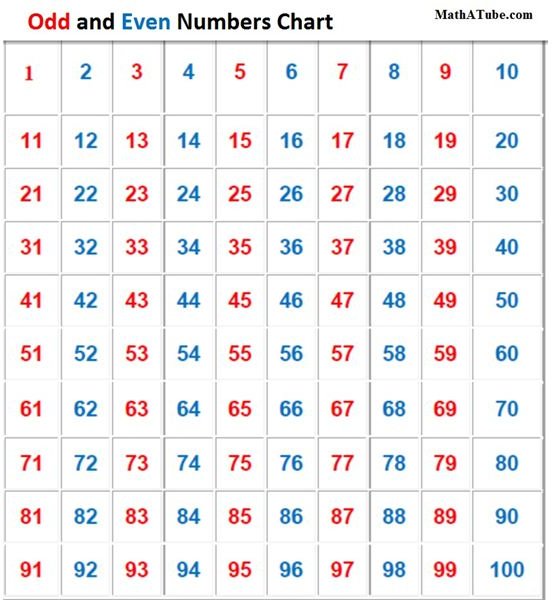
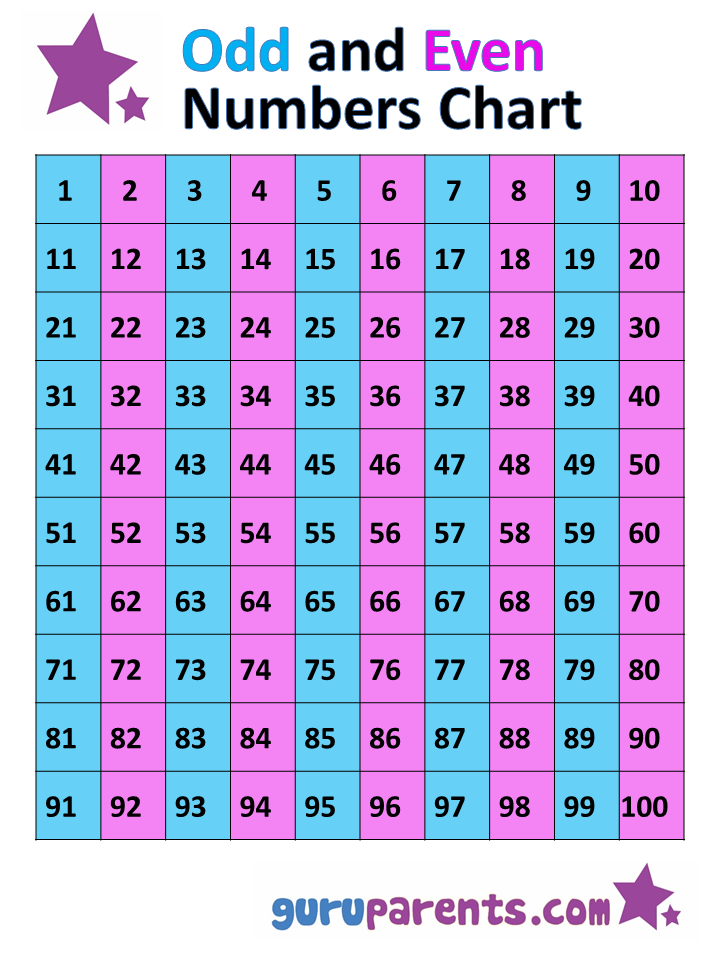
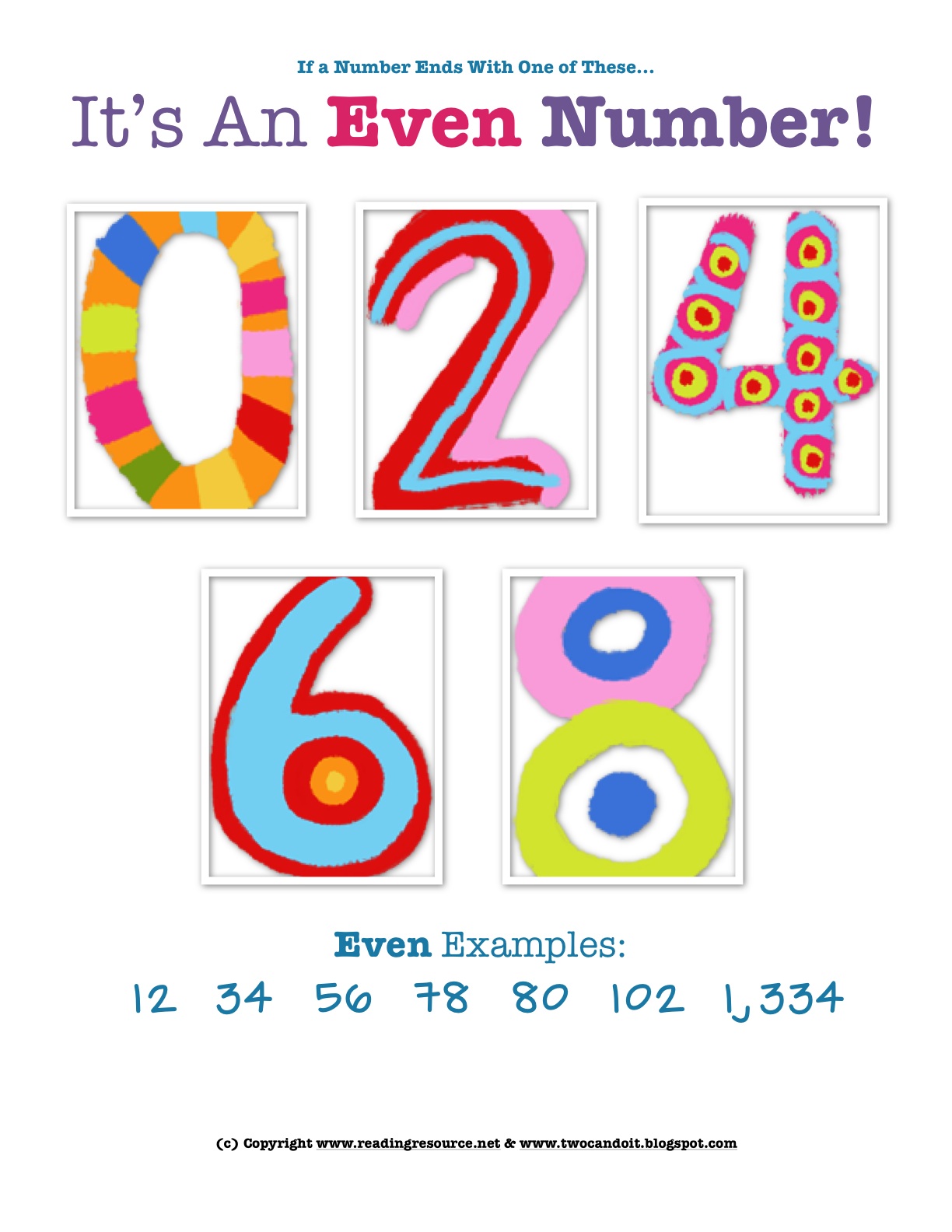
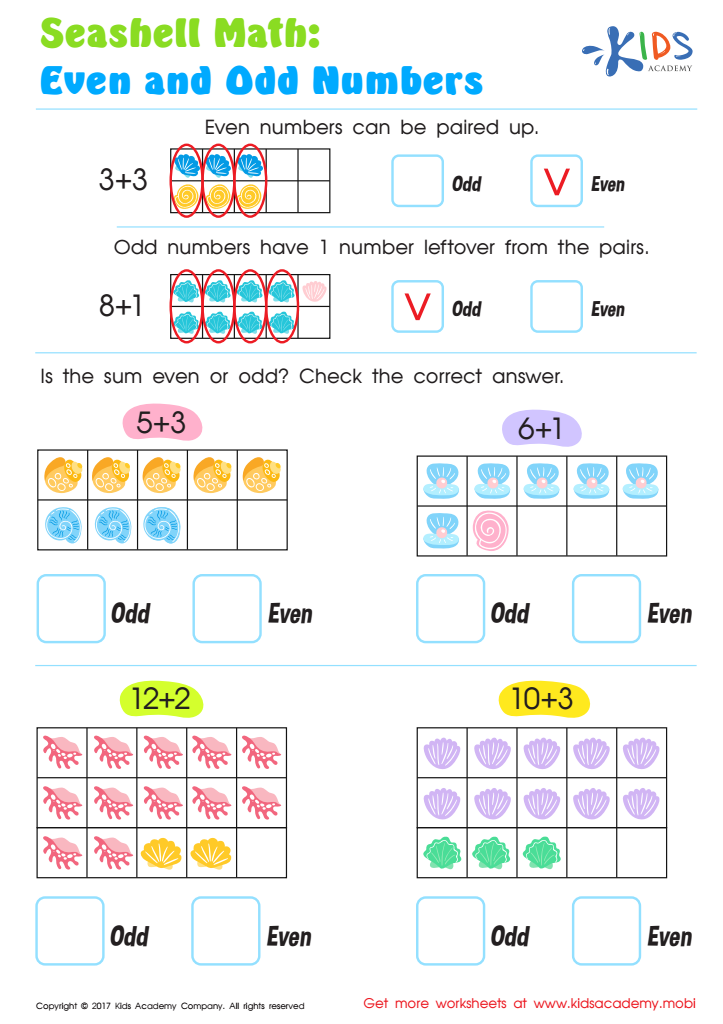
Even numbers are integers that can be divided by 2 without leaving a remainder. For example, 2, 4, 6, and 8 are all even numbers. On the other hand, odd numbers are integers that cannot be divided by 2 without leaving a remainder. Examples of odd numbers include 1, 3, 5, and 7.
What are Odd Numbers?
What are Even Numbers? Even numbers have several properties that make them unique. For instance, the sum of two even numbers is always even, and the product of two even numbers is also even. Additionally, even numbers can be represented as 2n, where n is an integer. This means that any number that can be expressed as a multiple of 2 is an even number.
What are Odd Numbers? Odd numbers, on the other hand, have different properties. The sum of two odd numbers is always even, but the product of two odd numbers is always odd. Odd numbers can be represented as 2n + 1, where n is an integer. Understanding the difference between even numbers and odd numbers is essential in mathematics, as it helps in solving various mathematical problems and equations. By recognizing the properties of even numbers and odd numbers, you can improve your mathematical skills and become more proficient in solving numerical problems.