
Mastering Geometry: A Guide to Polygon Angle Measures
Understanding Polygon Angle Measures
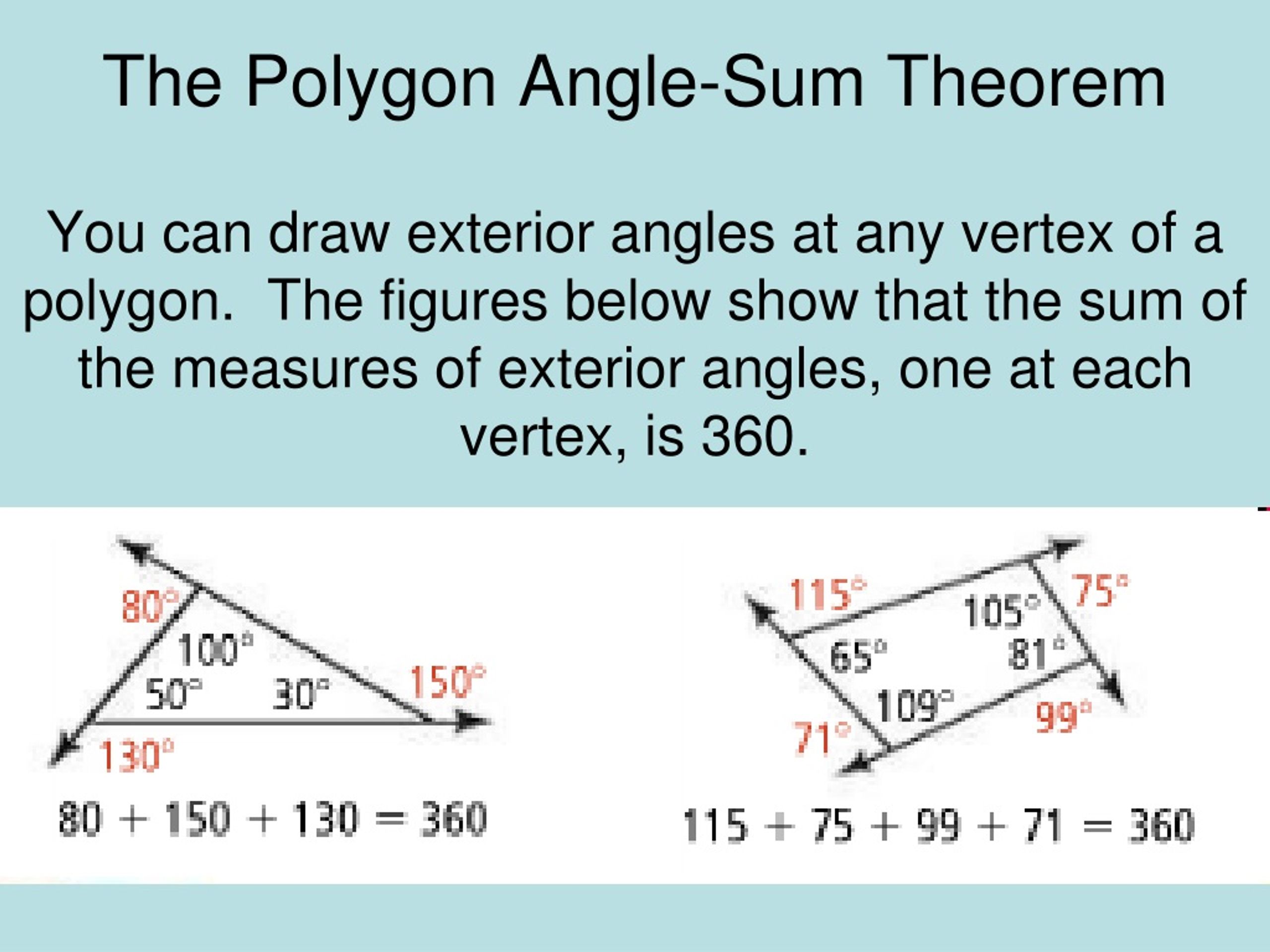
Geometry is a fundamental branch of mathematics that deals with the study of shapes, sizes, and positions of objects. One of the key concepts in geometry is the calculation of polygon angle measures. A polygon is a 2D shape with at least three sides, and the angle measure of a polygon is the sum of its interior angles. In this article, we will delve into the world of polygon angle measures and provide you with a comprehensive guide and worksheet to help you master this concept.
The formula for calculating the sum of interior angles of a polygon is (n-2) * 180 degrees, where n is the number of sides of the polygon. For example, a triangle has 3 sides, so the sum of its interior angles is (3-2) * 180 = 180 degrees. A quadrilateral has 4 sides, so the sum of its interior angles is (4-2) * 180 = 360 degrees. Understanding this formula is crucial in calculating the angle measures of various polygons.
Practicing with a Geometry Worksheet
To become proficient in calculating polygon angle measures, it is essential to practice with different types of polygons. Start with simple polygons like triangles and quadrilaterals, and gradually move on to more complex polygons like pentagons and hexagons. You can use a geometry worksheet to practice calculating the angle measures of different polygons. A worksheet will provide you with a variety of problems to solve, ranging from simple to complex, and will help you to identify and calculate the angle measures of various polygons.
In conclusion, mastering polygon angle measures is a crucial aspect of geometry. With practice and dedication, you can become proficient in calculating the angle measures of various polygons. Use a geometry worksheet to practice and reinforce your understanding of this concept. Remember to start with simple polygons and gradually move on to more complex ones. With time and practice, you will become an expert in calculating polygon angle measures and will be able to tackle even the most challenging geometry problems with ease.