How To Create A Business Expense Spreadsheet


Setting Up Your Spreadsheet
As a business owner, keeping track of expenses is crucial for making informed financial decisions. A business expense spreadsheet is a powerful tool that helps you monitor and manage your company's spending. In this article, we'll guide you through the process of creating a business expense spreadsheet that meets your needs. With a well-organized spreadsheet, you'll be able to track expenses, identify areas for cost-cutting, and make accurate financial projections.
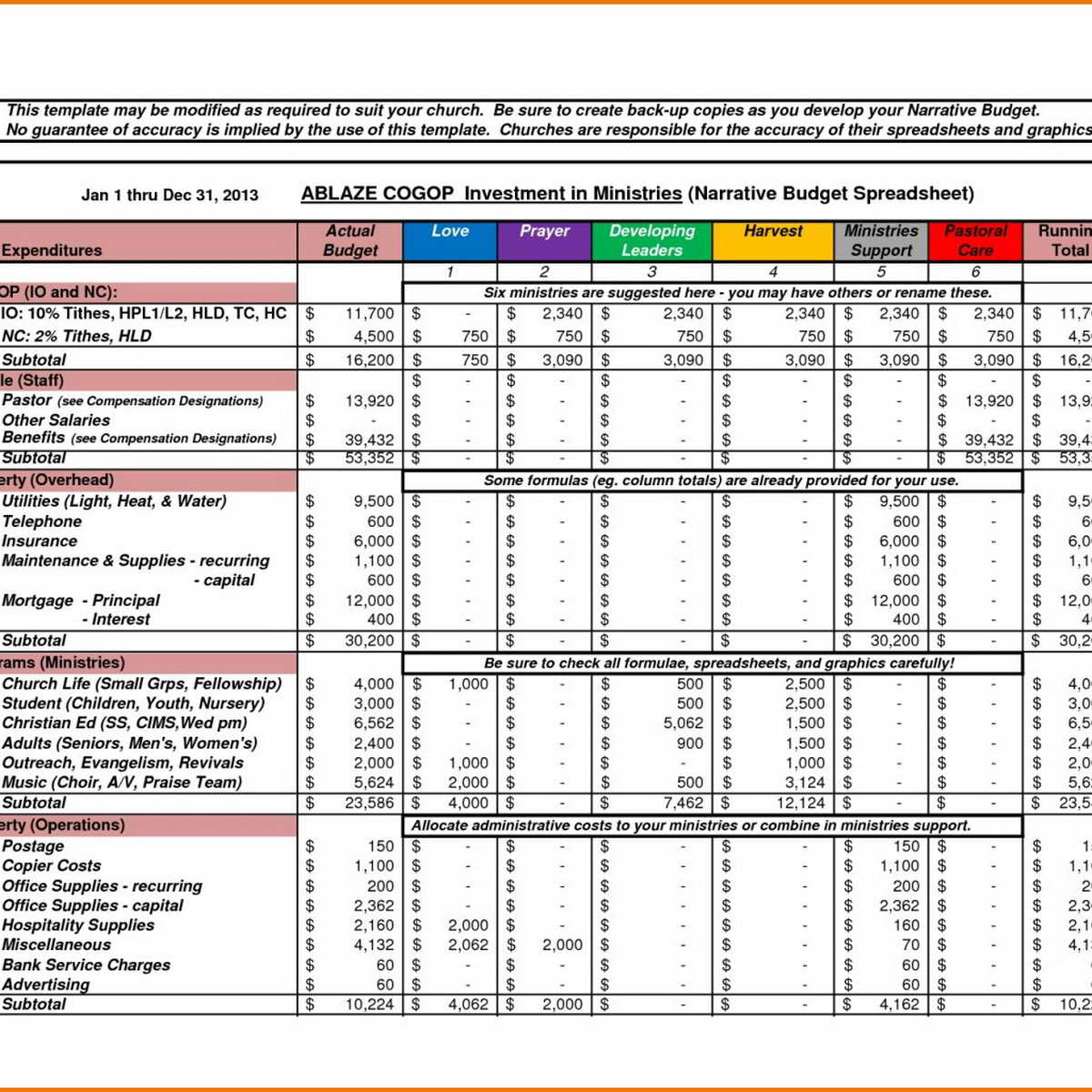
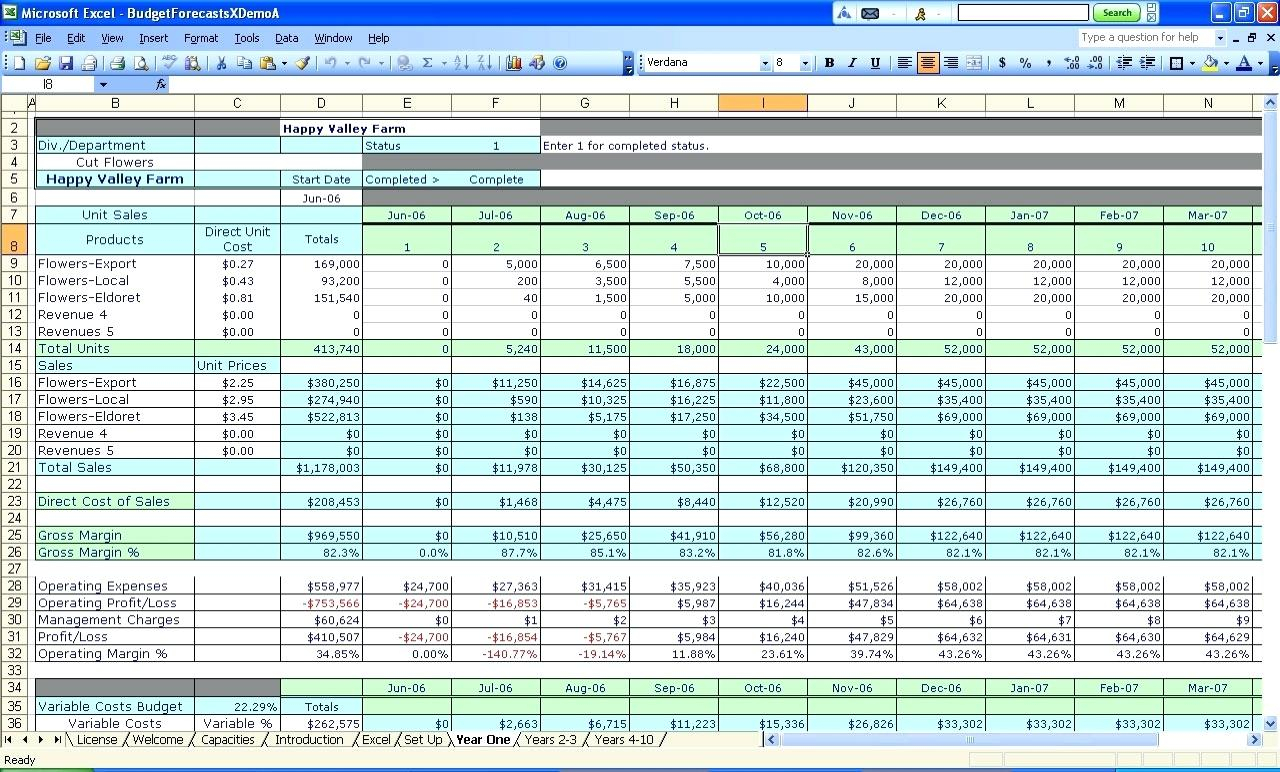
To get started, you'll need to choose a spreadsheet software that suits your needs. Popular options include Google Sheets, Microsoft Excel, and LibreOffice Calc. Once you've selected a software, create a new spreadsheet and set up columns for different expense categories, such as rent, utilities, supplies, and travel expenses. You can also add columns for the date, description, and amount of each expense.
Tips for Effective Expense Tracking
When setting up your spreadsheet, it's essential to consider the types of expenses your business incurs. For example, if you have a lot of travel expenses, you may want to create separate columns for transportation, accommodation, and food. You can also create formulas to calculate totals and percentages, making it easier to analyze your expenses. Additionally, consider setting up a system for categorizing and tagging expenses, so you can quickly identify trends and areas for improvement.
To get the most out of your business expense spreadsheet, it's crucial to establish a routine for tracking and updating expenses. Set aside time each week or month to review and categorize expenses, and make sure to include all relevant receipts and invoices. You can also use add-ons or plugins to automate tasks, such as importing bank statements or generating reports. By following these tips and using your business expense spreadsheet effectively, you'll be able to gain valuable insights into your company's financial performance and make informed decisions to drive growth and success.