Exploring Hundreds Chart Activities for Kids


Introduction to Hundreds Charts
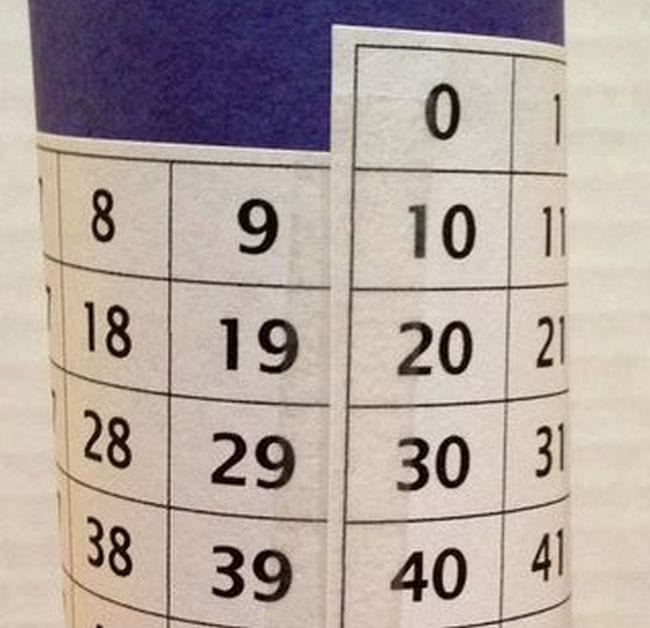
Hundreds charts are a fundamental tool used in elementary education to introduce children to basic number patterns and relationships. These charts typically consist of a 10x10 grid, numbered from 1 to 100, and are used to help students visualize and understand the sequence of numbers. Hundreds chart activities are designed to be engaging and interactive, making learning math a fun and enjoyable experience for kids.
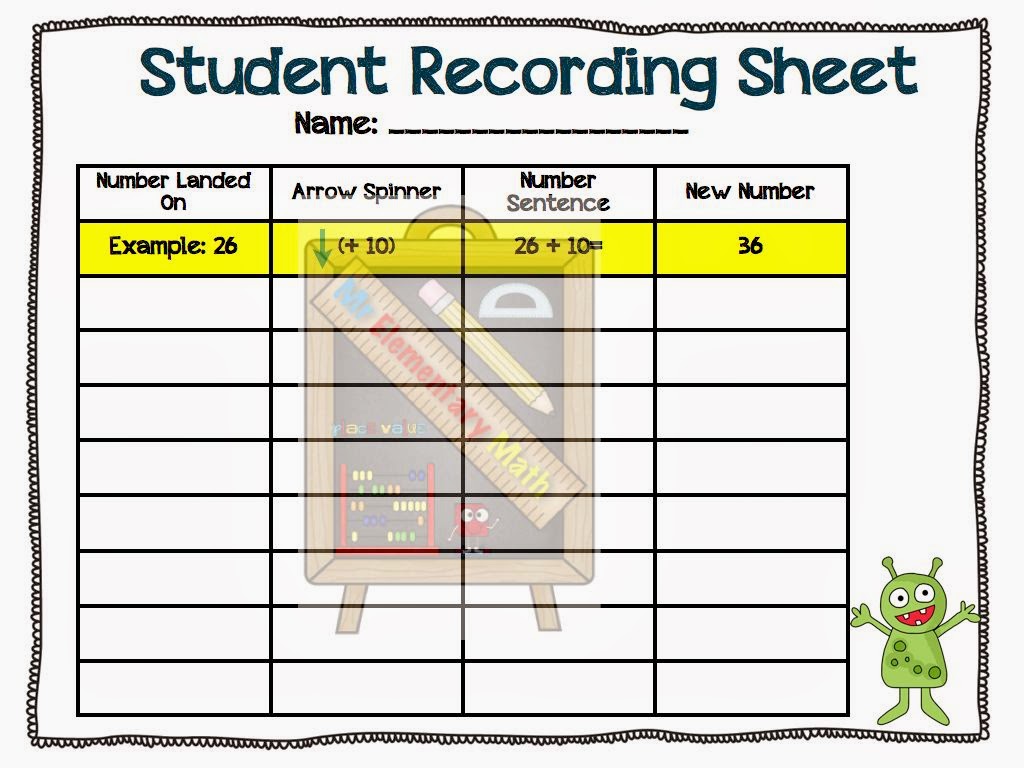
The use of hundreds charts in educational settings has been proven to be highly effective in developing math skills and building a strong foundation in numbers and patterns. By using hundreds charts, students can learn to identify patterns, recognize relationships between numbers, and develop problem-solving skills. Hundreds chart activities can be adapted to suit different learning styles and abilities, making them an invaluable resource for teachers and parents alike.
Fun and Interactive Activities
Hundreds charts can be introduced to students as early as kindergarten or first grade, and can be used throughout their elementary education. The charts can be used to teach a range of math concepts, including counting, basic addition and subtraction, and number patterns. By using hundreds charts, students can develop a deep understanding of math concepts and build a strong foundation for future learning. Hundreds chart activities can also be used to support students who may be struggling with math, providing an engaging and interactive way to practice and reinforce new skills.
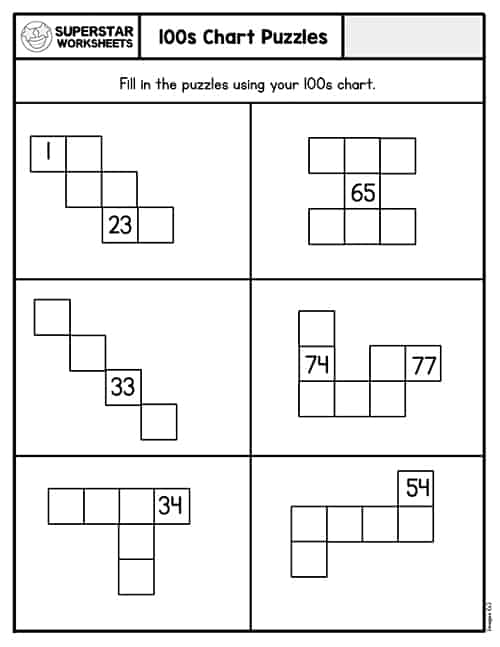
There are many fun and interactive hundreds chart activities that can be used to engage students and make learning math a enjoyable experience. These activities can include games, puzzles, and worksheets, and can be adapted to suit different learning styles and abilities. Some examples of hundreds chart activities include 'What's Missing?' where students have to identify missing numbers in the chart, and 'Number Patterns' where students have to identify and continue patterns in the chart. By incorporating hundreds chart activities into their teaching practice, educators can create a positive and supportive learning environment that encourages students to develop a love of math and learning.