
Mixing Primary Colors: The Ultimate Guide to Creating New Hues

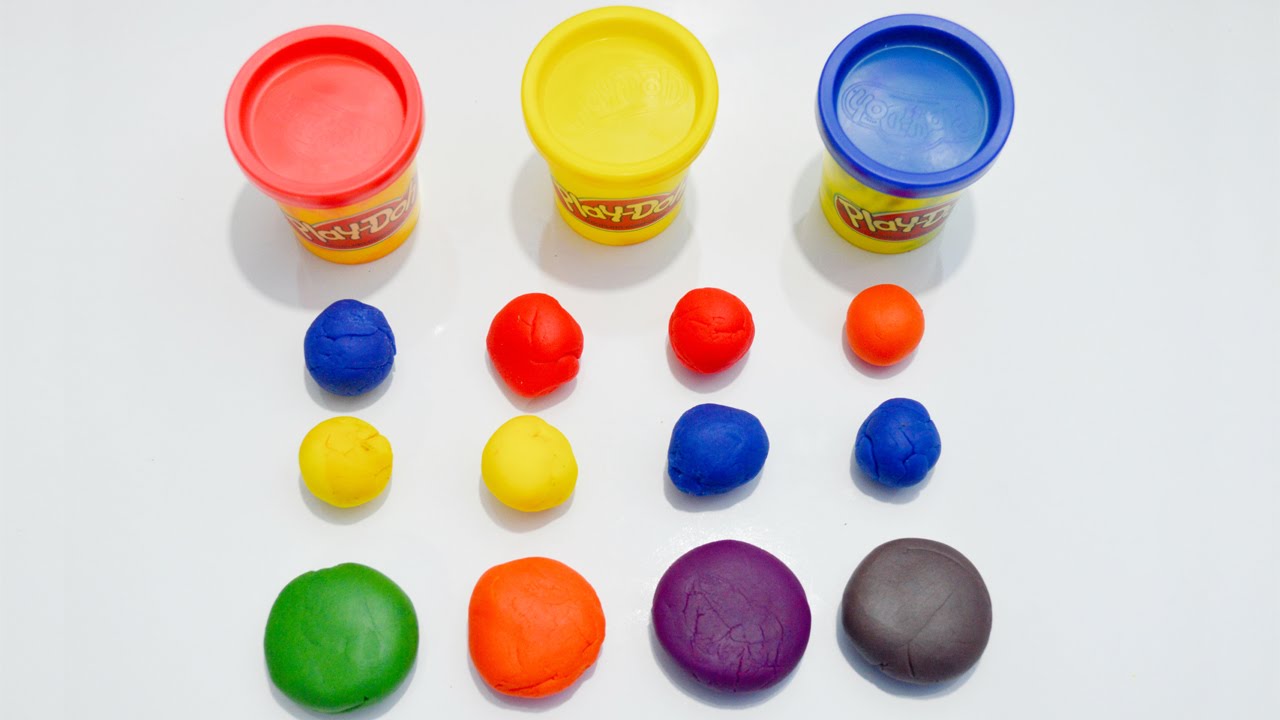


Understanding Primary Colors
When it comes to art and design, understanding how to mix primary colors is essential. Primary colors are the three basic colors that cannot be created by mixing other colors together. These colors are red, blue, and yellow. By mixing primary colors, you can create a wide range of new colors and shades, from bright and bold to soft and pastel. In this article, we'll explore the basics of color theory and show you how to mix primary colors to create new hues.
To get started, it's essential to understand the basics of primary colors. Each primary color has its own unique characteristics and properties. Red is a warm and vibrant color, while blue is cool and calming. Yellow is a bright and cheerful color that can add energy and warmth to any design. By understanding the properties of each primary color, you can begin to experiment with mixing them to create new shades and hues.
Mixing Primary Colors to Create Secondary Colors
Now that we've covered the basics of primary colors, let's dive into how to mix them to create secondary colors. Secondary colors are created by mixing two primary colors together. For example, mixing red and blue creates the secondary color purple. Mixing blue and yellow creates the secondary color green. And mixing red and yellow creates the secondary color orange. By mixing primary colors in different ratios, you can create a wide range of secondary colors and shades.
In conclusion, mixing primary colors is a fun and creative way to experiment with color theory. By understanding the basics of primary colors and how to mix them, you can create a wide range of new colors and shades. Whether you're an artist, designer, or simply a crafty hobbyist, mixing primary colors can help you take your projects to the next level. So don't be afraid to get creative and start mixing – you never know what amazing colors and shades you might discover!