
Understanding Negative Numbers with Examples

What are Negative Numbers?
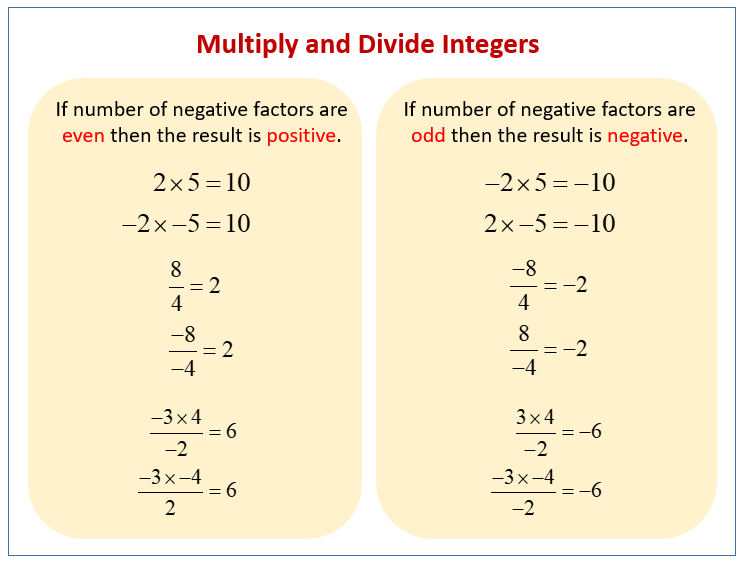
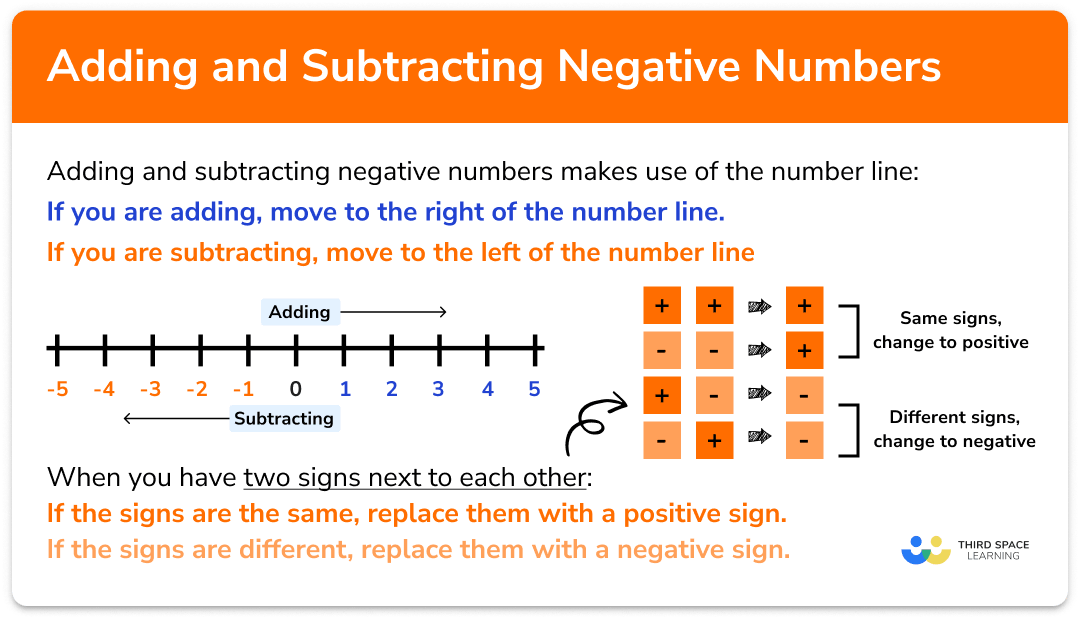
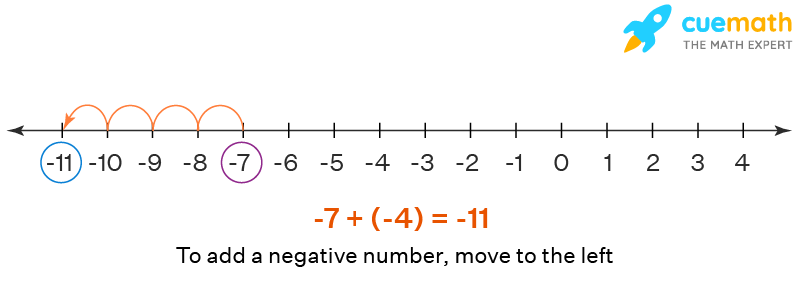
Negative numbers are a fundamental concept in mathematics that can be a bit tricky to grasp at first, but with the right examples, they become easier to understand. In simple terms, negative numbers are numbers that are less than zero. They are often represented by a minus sign (-) and can be used to describe a variety of real-world scenarios, such as debt, temperatures below zero, or a loss in a game.
The concept of negative numbers is used in various aspects of life, including finance, science, and engineering. For instance, a negative bank balance indicates that you have overspent and need to deposit more money to avoid penalties. Similarly, in science, negative temperatures are used to describe extremely cold conditions, such as those found in outer space.
Real-Life Examples of Negative Numbers
Negative numbers can also be used to describe directions or positions. For example, if you are standing on a street and you move 5 blocks north and then 3 blocks south, you will be 2 blocks north of your original position. This can be represented mathematically as +5 - 3 = +2. In this case, the negative number (-3) represents the direction south.
In conclusion, negative numbers are an essential part of mathematics that can be used to describe a wide range of real-world scenarios. By understanding how to work with negative numbers, you can improve your math skills and develop a better appreciation for the world around you. Whether you are dealing with debt, temperatures, or directions, negative numbers play a crucial role in helping you make sense of the world.