
Exploring the Path of Paul's First Missionary Journey with a Printable Map


Introduction to Paul's First Missionary Journey
Paul's first missionary journey, as recorded in the New Testament, was a pivotal moment in the spread of Christianity. This journey, which took place around 46-48 AD, saw Paul, along with his companions Barnabas and John Mark, travel through various regions, preaching the gospel and establishing churches. The journey began in Antioch and proceeded through Cyprus and the southern part of Asia Minor, now modern-day Turkey. Understanding the route and significance of this journey can deepen one's appreciation for the early Christian church and its expansion.
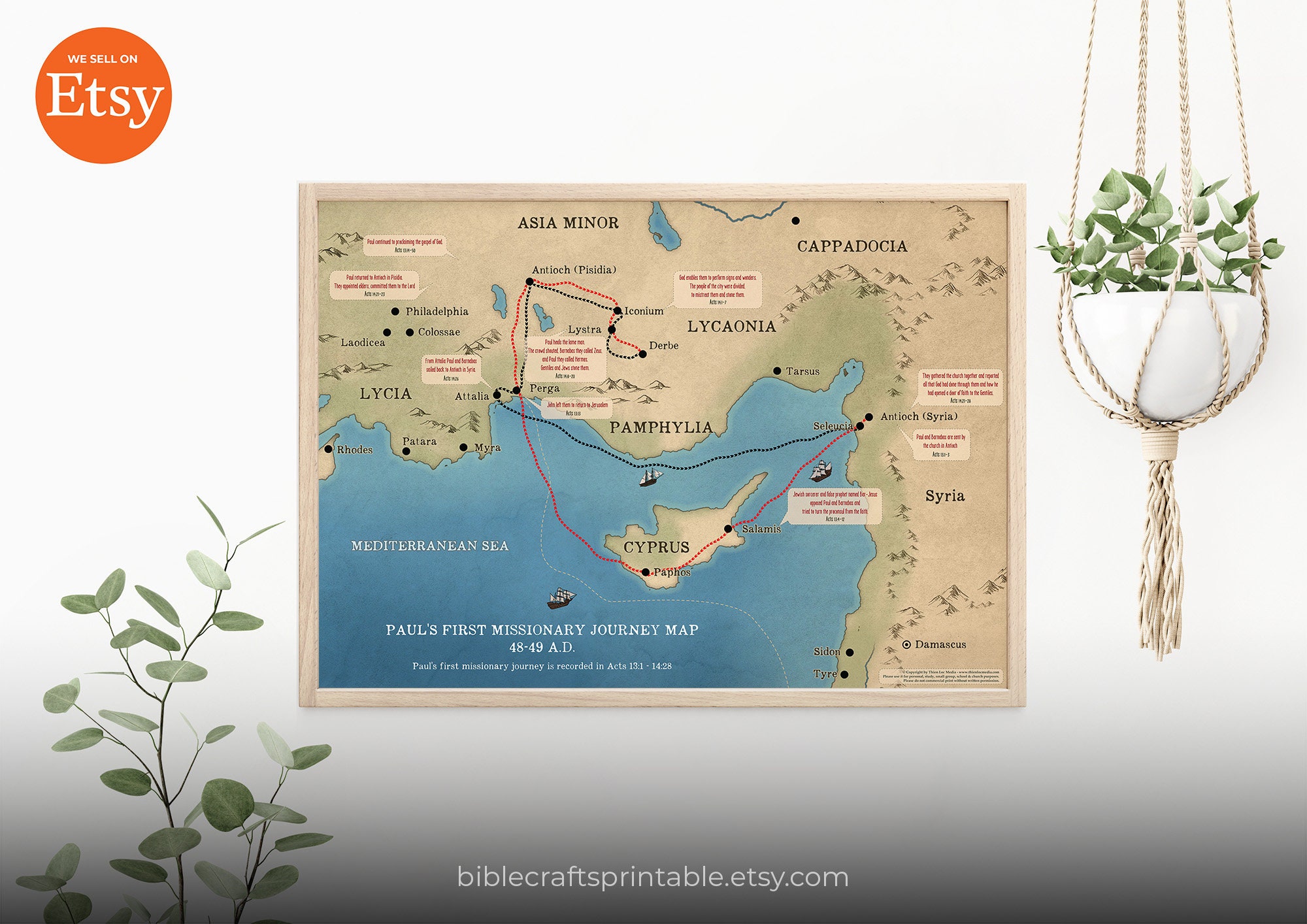
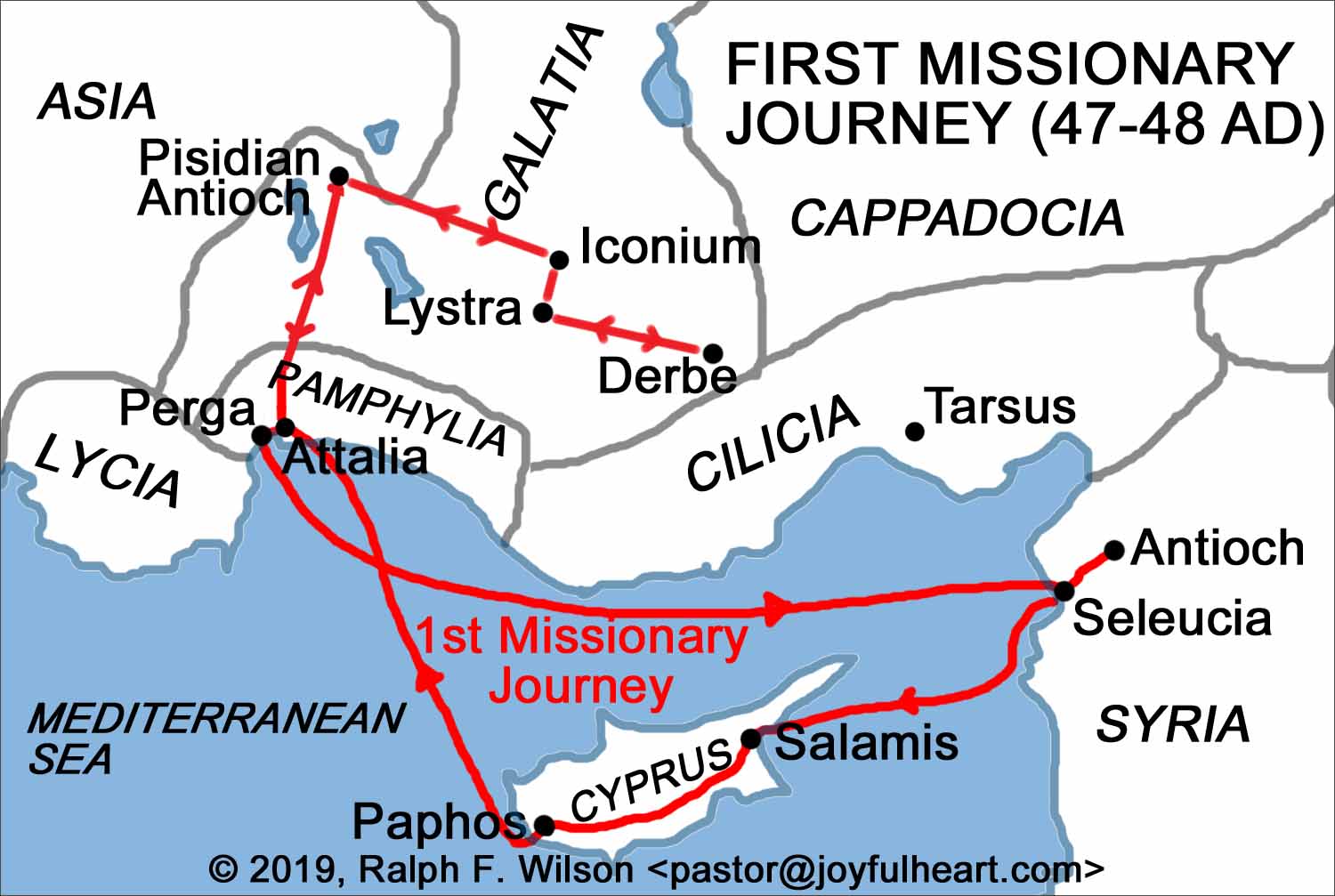
For those interested in biblical history and geography, having a visual representation of Paul's travels can be incredibly enlightening. A printable map of Paul's first missionary journey can serve as a valuable tool for study and reflection. Such maps typically highlight the cities and regions visited by Paul, including Salamis, Paphos, Perga, Antioch in Pisidia, Iconium, Lystra, and Derbe. These locations are not only significant for their role in the early Christian movement but also offer insights into the cultural, religious, and political contexts of the time.
Using a Printable Map to Enhance Your Understanding
The first missionary journey of Paul is a testament to the apostle's dedication to spreading the teachings of Jesus Christ. This journey marked the beginning of Paul's missionary work, which would eventually take him to the furthest reaches of the Roman Empire. By examining the map of his first journey, one can gain a better understanding of the challenges faced by early Christians, the strategies employed by Paul and his companions in evangelism, and the impact of their message on the diverse populations they encountered. Furthermore, studying this period in Christian history can provide valuable lessons for modern-day evangelism and church planting efforts.
A printable map of Paul's first missionary journey offers more than just a visual representation of his travels; it provides a tangible resource for Bible study groups, Sunday school classes, and individual believers seeking to deepen their knowledge of the New Testament. By printing out such a map, individuals can annotate important locations, note the distances between cities, and even plan their own pilgrimage or study tour to follow in Paul's footsteps. The use of a map in this context not only enhances the learning experience but also fosters a sense of connection to the historical events that shaped Christianity as we know it today.