Understanding Even Numbers: A Simple Guide
What are Even Numbers?
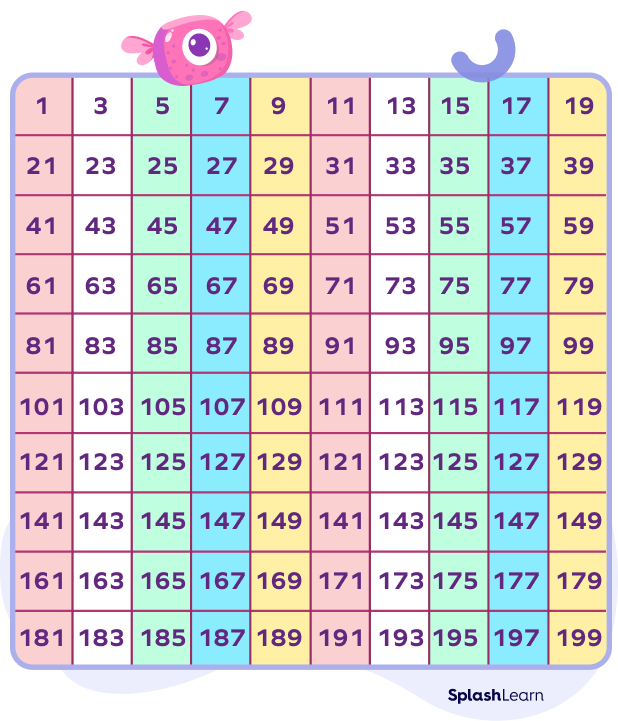
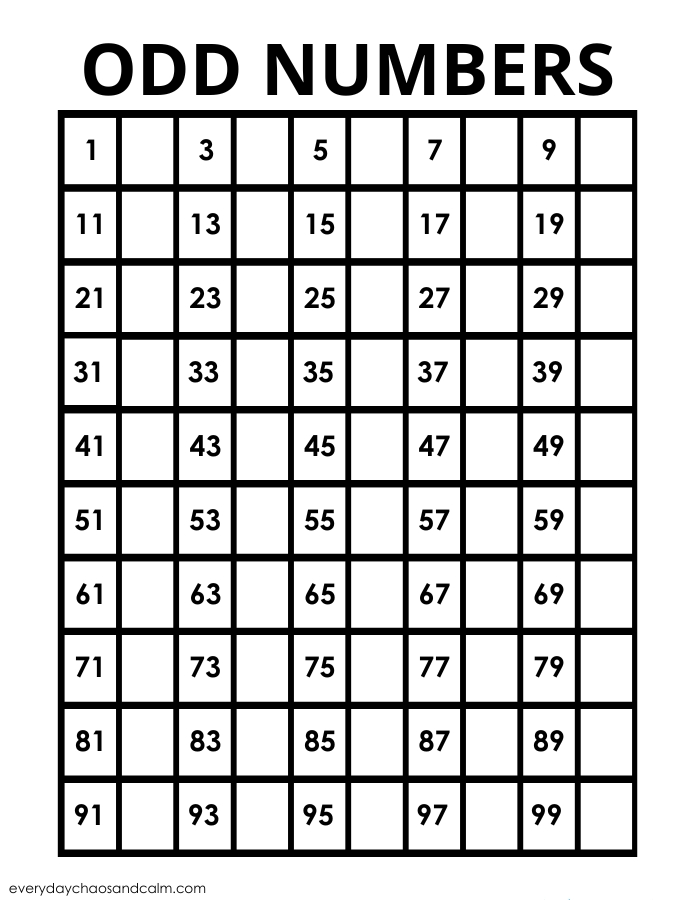
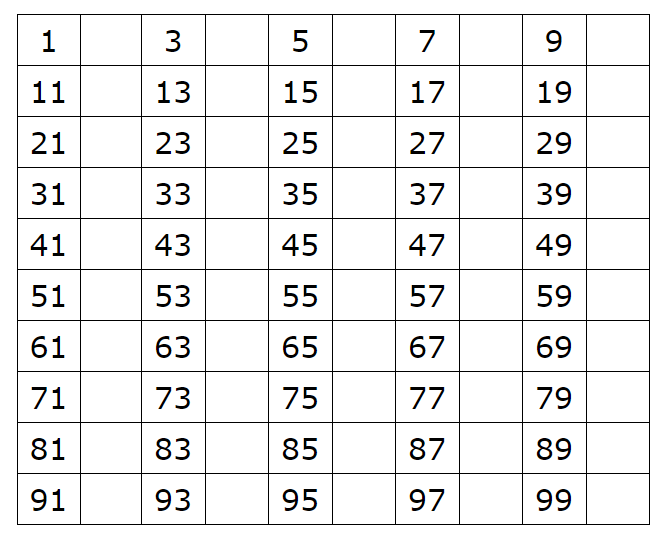
Even numbers are a fundamental concept in mathematics, and they play a crucial role in various mathematical operations. In simple terms, an even number is any integer that can be divided by 2 without leaving a remainder. Examples of even numbers include 2, 4, 6, 8, and 10. On the other hand, odd numbers are those that cannot be divided by 2 without leaving a remainder, such as 1, 3, 5, and 7.
The importance of even numbers lies in their ability to be divided into two equal parts. This property makes them useful in various real-life applications, such as measuring lengths, weights, and quantities. For instance, if you have 10 pencils, you can easily divide them into two groups of 5 pencils each, making it easier to share or distribute them.
Working with Even Numbers
What are Even Numbers? Even numbers have several interesting properties that make them unique. For example, the sum of two even numbers is always even, and the product of two even numbers is also even. Additionally, even numbers can be negative, such as -2, -4, and -6, which are also divisible by 2. Understanding these properties can help you work with even numbers more effectively and solve mathematical problems with ease.
Working with Even Numbers In conclusion, even numbers are a vital part of mathematics, and understanding their definition, properties, and examples can help you become more proficient in mathematical operations. Whether you're a student, teacher, or simply someone interested in mathematics, learning about even numbers can be a rewarding experience. By practicing and working with even numbers, you can develop your problem-solving skills and become more confident in your mathematical abilities.